Into the Wild Side
A safari field journal through the world of wild cats — lions, leopards, cheetahs, tigers and jaguars — and the surprising cat health secrets they share with the one snoring on your couch.
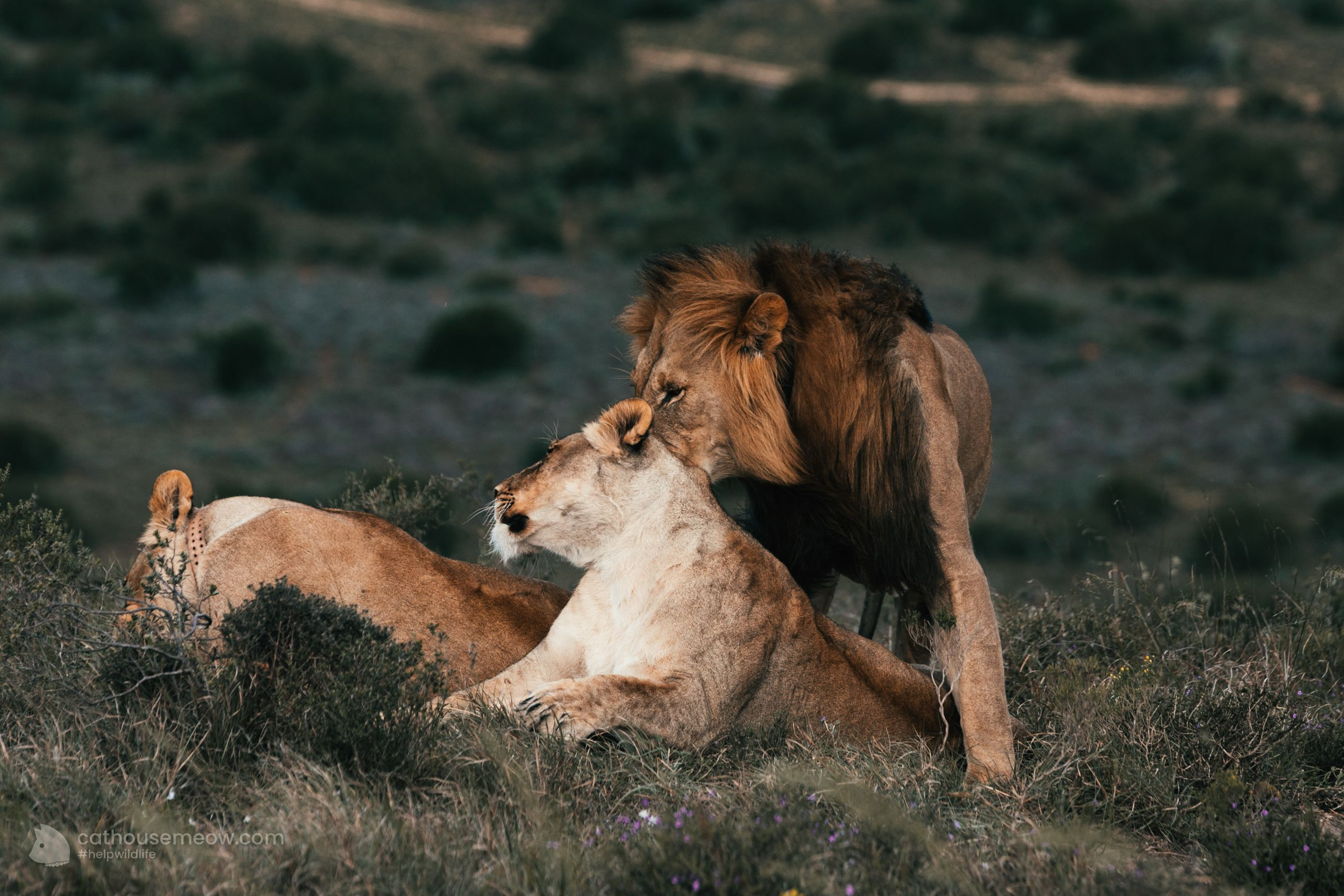
The engine of the Land Cruiser cuts out, and the savanna goes quiet. Somewhere in the long gold grass, something with a two-hundred-pound head is watching you. Then a tail flicks — the exact same lazy, dismissive flick your cat gives you when you call her name from across the kitchen.
That’s the secret every safari guide knows: there is no such thing as a “domestic” cat. Lions, leopards, tigers and your tabby share the same blueprint — the same hunter’s eyes, the same carnivore’s gut, the same stubborn habit of hiding pain. Learn to read the wild ones, and you’ll understand your own cat better than ever.
So grab your binoculars. We’re heading out.
The Lion: Royalty Runs on Naps
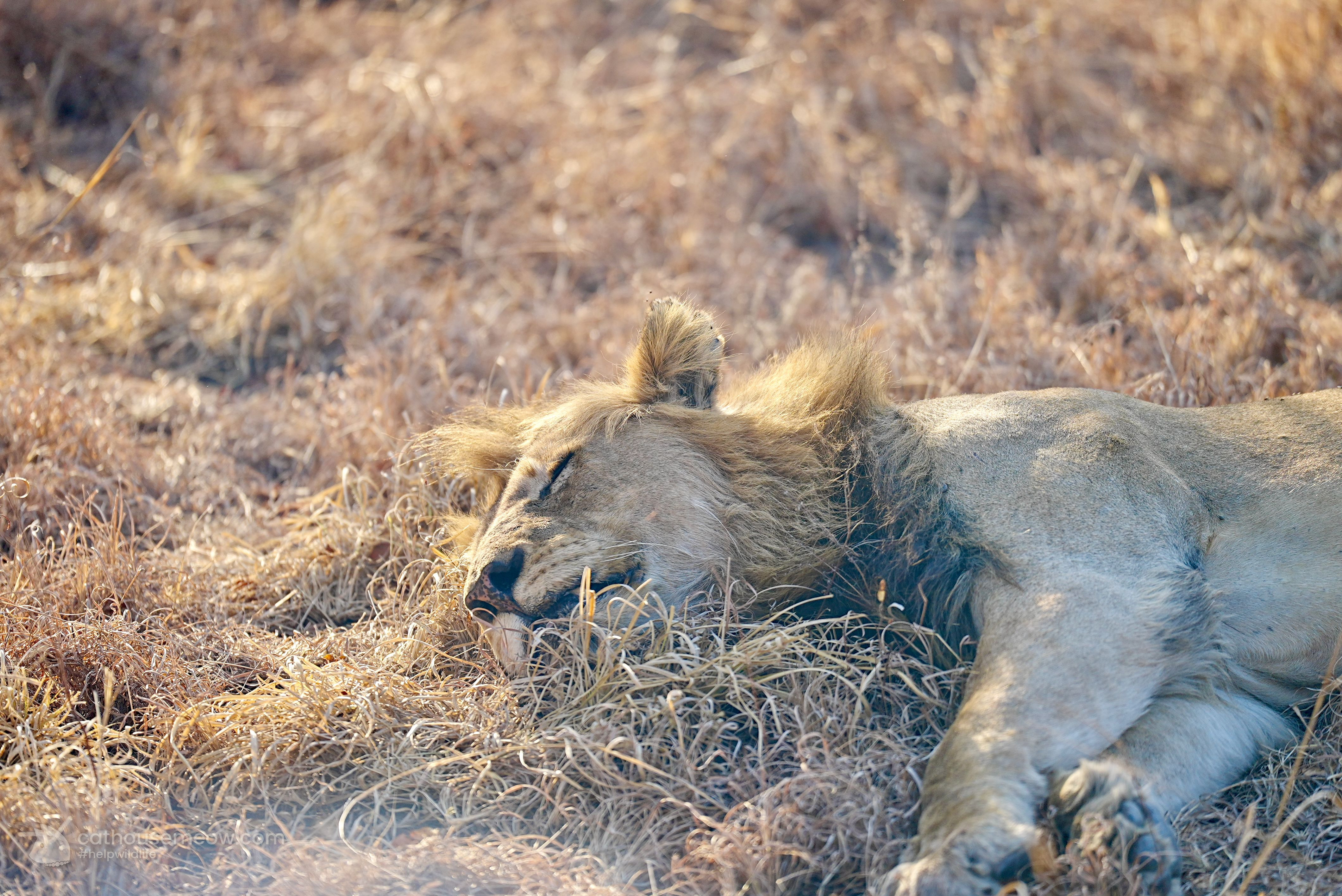
The first thing you notice about the king of beasts? He’s asleep. Lions spend somewhere around 16 to 20 hours a day resting, saving every ounce of energy for the short, explosive work of the hunt. A lion on the move at noon is unusual — and guides pay attention when it happens.
Your house cat inherited the same schedule. Most adult cats sleep 12 to 16 hours a day, and kittens and seniors even more. Long naps aren’t laziness; they’re design.
Health Lesson: Watch the Pattern, Not the Hours
Because cats sleep so much, it’s easy to miss when something’s wrong. What matters is change:
- Sleeping noticeably more, hiding, or being hard to rouse
- Restless at night, pacing, or yowling (common in senior cats)
- Napping in odd new spots — like the cold bathroom floor or inside a closet
Any of these lasting more than a day or two is worth a call to your vet.
The Lioness & the Water Problem
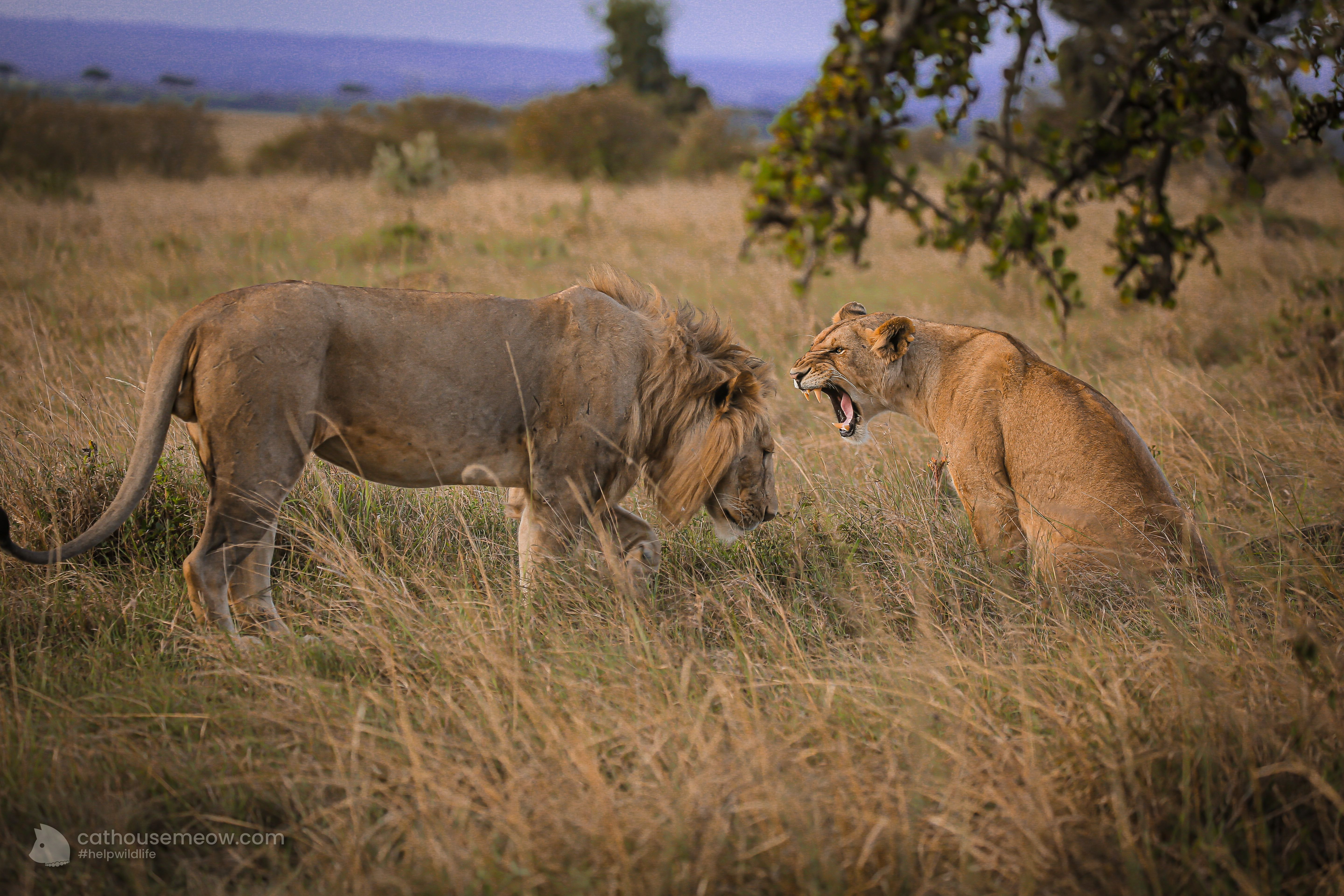
Out here in the dry season, waterholes shrink to mud. Big cats cope partly because so much of their moisture comes from their prey. And your cat’s ancestor, the African wildcat, was a desert animal that rarely drank at all.
That desert heritage is why so many house cats simply don’t drink enough — and why kidney disease and urinary problems are among the most common health issues vets see in cats, especially as they age.
Health Lesson: Hydrate Like a Hunter
- Add wet food to the menu — it’s mostly water, just like prey
- Try a cat water fountain; many cats prefer moving water
- Keep bowls wide and shallow, and away from the food and litter box
- Emergency sign: a cat — especially a male — straining in the litter box with little or no urine needs a vet today. A urinary blockage can be fatal within a day or two.
The Leopard: Master of Hiding
You can drive past a leopard ten times and never see it. They’re the great introverts of the bush — solitary, secretive, and happiest draped over a high branch where they can watch everything and be bothered by no one. They’ll even haul a kill up the tree to keep it from lions and hyenas.
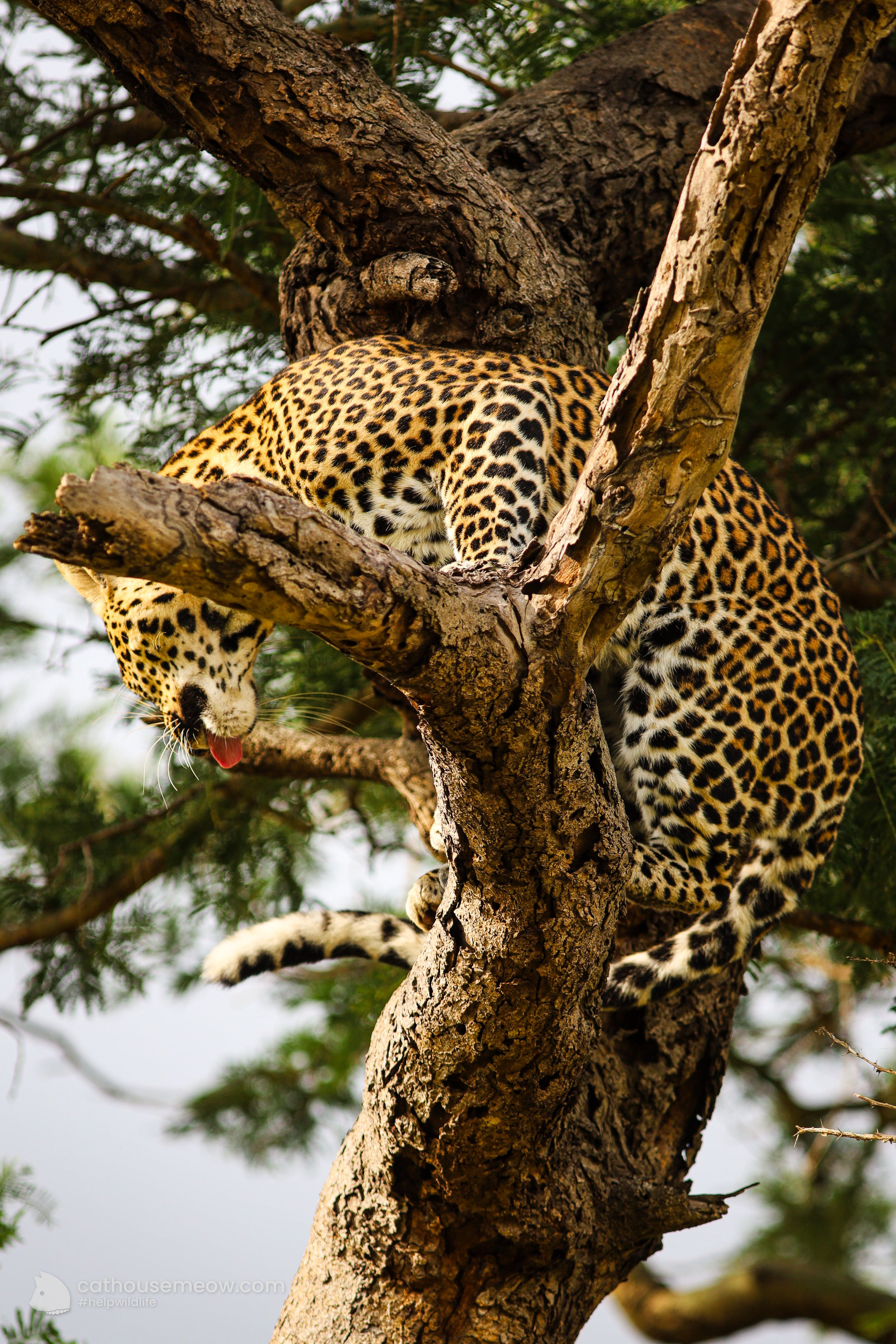
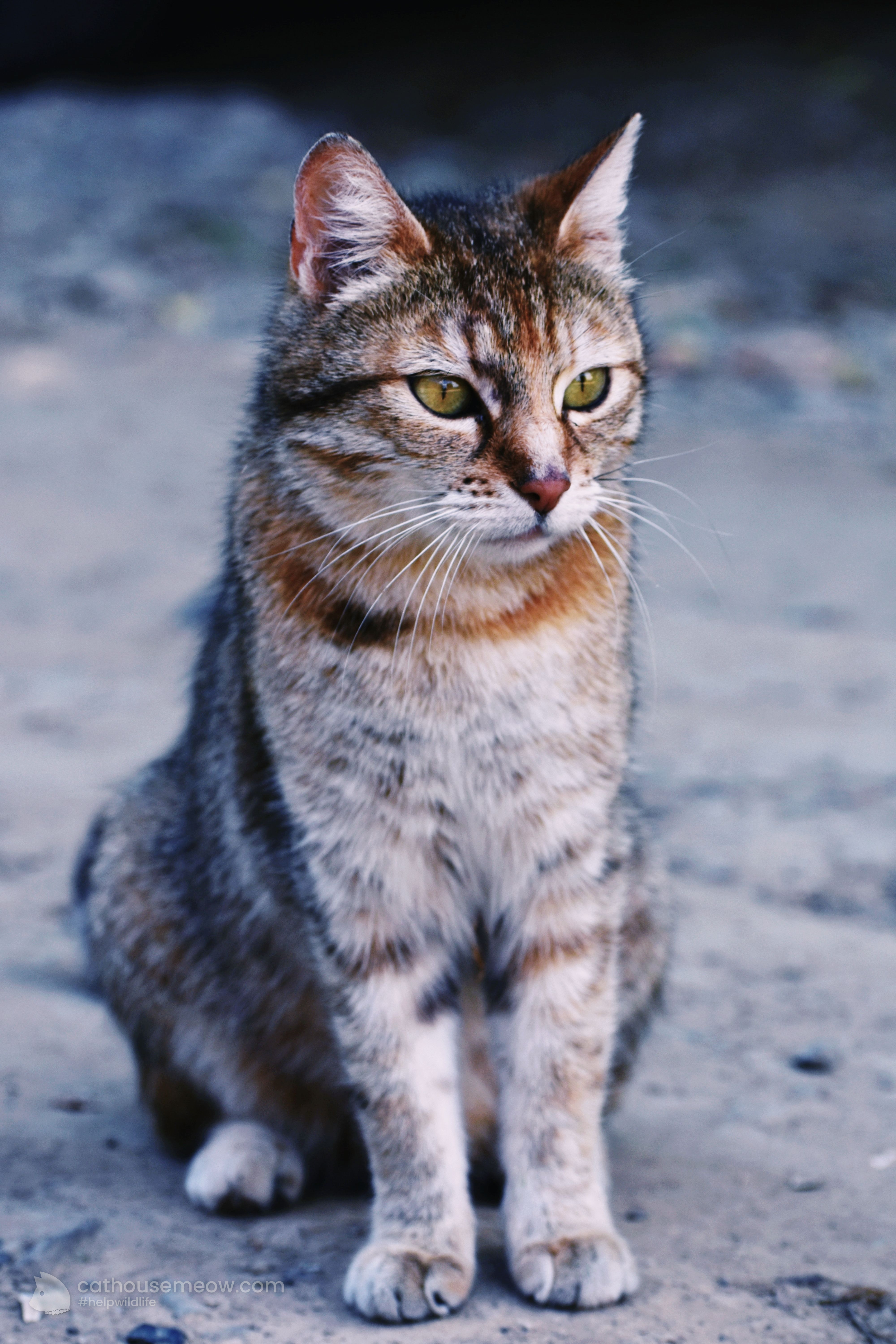
Sound familiar? The top of the fridge, the back of the closet, the highest shelf in the house — your cat is just doing leopard things.
In the wild, looking weak gets you eaten. So cats evolved to hide pain — and they’re still brilliant at it.
Health Lesson: Learn the Quiet Signs of Pain
Cats rarely cry out when they hurt. Look for:
- Hiding more than usual or avoiding the family
- No longer jumping up to favorite high spots (a classic sign of arthritis)
- Squinting, a hunched posture, or a scruffy, unkempt coat
- Litter box “accidents” — often a pain or medical issue, not bad behavior
Leopard-approved tip: give your cat vertical territory — cat trees, wall shelves, a window perch. Height lowers stress, and less stress means a healthier cat.
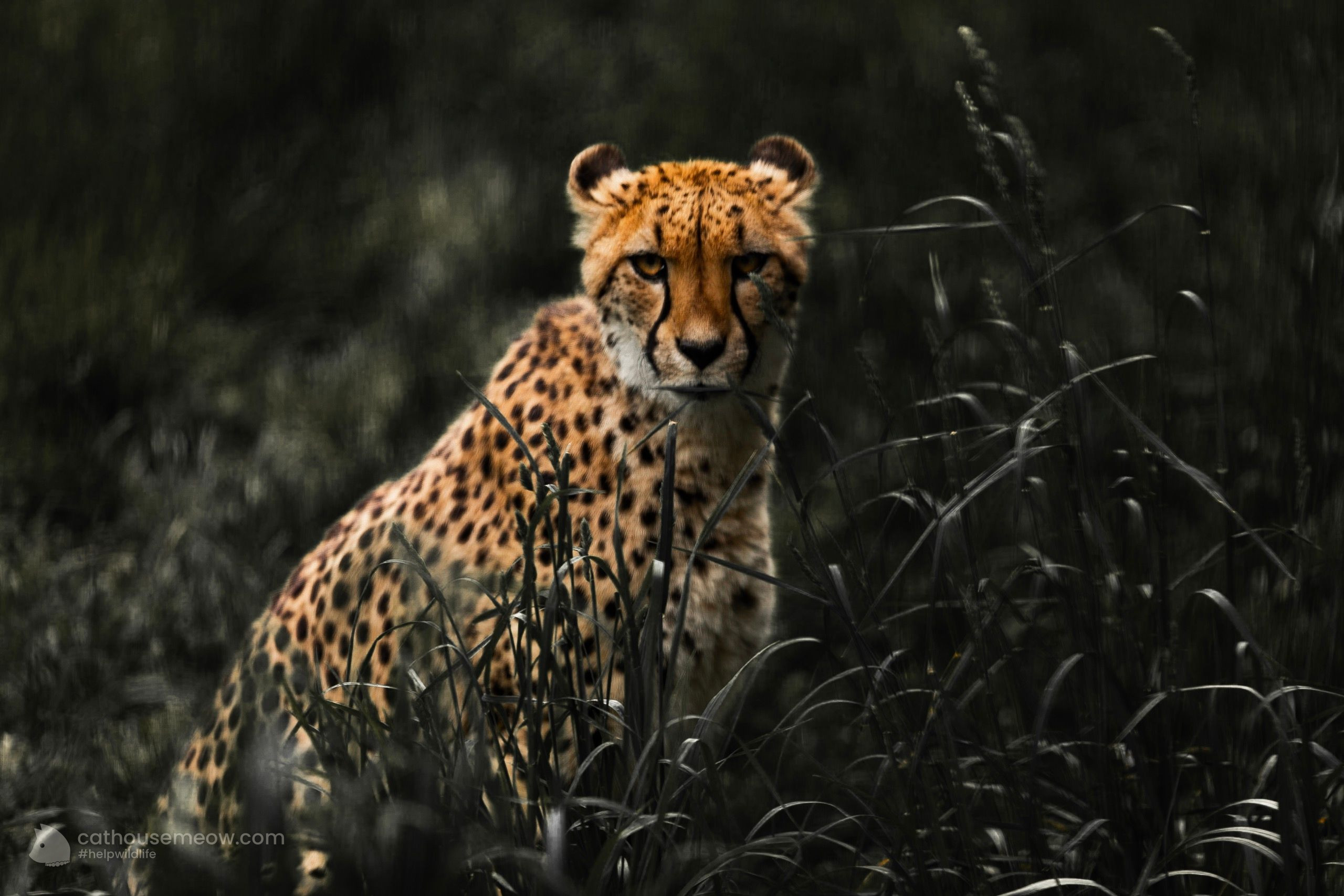
The Cheetah: Born to Sprint
in about three seconds
The cheetah is the fastest animal on land, but it can only hold top speed for a few hundred yards before it overheats. Its whole life is built around short, all-out bursts followed by long recovery. Lean body, long legs, not an ounce of extra weight.
House cats are sprinters too — which is why they go wild at 3 a.m. and then crash. The problem is that indoor cats often get the “crash” without the “sprint.” Obesity is one of the most common health problems in pet cats, and it raises the risk of diabetes, arthritis and liver disease.
Health Lesson: Play Like a Predator
- Two or three short, intense play sessions a day beat one long one
- Use wand toys to mimic prey: hide, dart, freeze, flee — then let them “catch” it
- End with a small meal, the way a hunt ends with dinner
- Measure food instead of free-feeding, and ask your vet what your cat’s ideal weight is
The Tiger: Stripes Go Skin Deep
We leave Africa for a moment, because no safari of cats is complete without the biggest of them all. Tigers break the rules: they love water, swimming across rivers and soaking in pools to cool off. And their stripes aren’t just on their fur — the pattern shows on their skin, too. No two tigers share the same stripes.
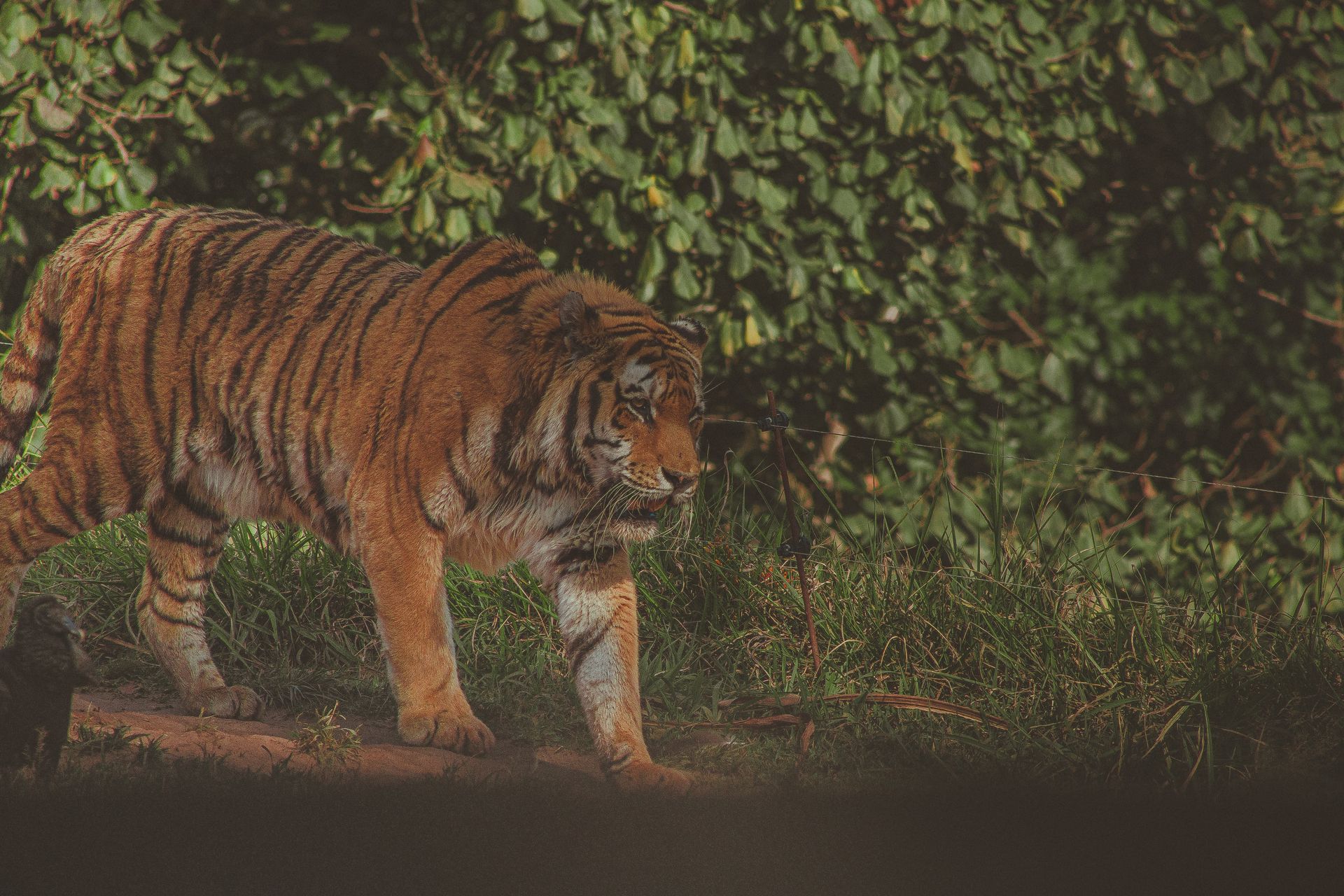
A cat’s coat is a health report you can read with your hands. Healthy cats groom constantly — some studies estimate cats spend up to half their waking hours on it.
Health Lesson: Read the Coat
- Greasy, matted or dandruffy coat: often a sign a cat can’t or won’t groom — think pain, arthritis, dental trouble or weight gain
- Over-grooming and bald patches: can point to fleas, allergies or stress
- Brush regularly (daily for long-haired cats) to cut down on hairballs
- Use monthly flea prevention your vet recommends — never dog flea products, some of which are toxic to cats
The Jaguar: All Bite
Our last sighting is the jaguar of the Americas — stocky, muscular, and gifted with one of the most powerful bites of any big cat for its size. Jaguars are known for killing with a bite straight through the skull, and they can crack turtle shells. Their teeth are everything.

Your cat’s teeth matter just as much — and they’re in trouble more often than most owners realize. Dental disease is one of the most common conditions in adult cats. Painful mouths lead to dropped food, drooling, bad breath and weight loss, and most cats will keep eating right through the pain.
Health Lesson: Check the Hunter’s Smile
- Lift the lip once a month: look for red gum lines, brown buildup or broken teeth
- Bad breath isn’t “normal cat breath” — it’s often infection
- Ask about a dental exam at every annual checkup
- Brushing with cat toothpaste (never human toothpaste) is the gold standard; dental treats help
7 Rules for Raising a Healthy Wild Thing
- Feed a carnivore like a carnivore. Cats are obligate carnivores and need nutrients like taurine that only come from animal protein. Choose complete cat food — never dog food or a homemade vegan diet.
- Get water into them. Wet food, fountains, and multiple bowls.
- Hunt every day. Short, intense play keeps weight down and minds sharp.
- Give them the trees. Vertical space lowers stress.
- See the vet every year — twice a year for cats over about 10. Cats hide illness, so routine bloodwork catches what you can’t see.
- Know the toxic plants. All true lilies are deadly to cats — even the pollen or vase water.
- Spay, neuter, vaccinate, and microchip. The basics still save the most lives.
Call the Vet Right Away If Your Cat…
- Strains to pee or produces little or no urine
- Hasn’t eaten in more than 24 hours
- Breathes with an open mouth or seems to struggle to breathe
- Vomits repeatedly, collapses, or suddenly can’t use its back legs
The Wild Ones Need Us, Too
Every cat on this safari is in trouble. Habitat loss, poaching and conflict with people have pushed big-cat numbers down across the world. Rough estimates of the wild populations left:
Wild lions have lost most of their historic range, cheetahs now survive in only a small fraction of theirs, and leopards and jaguars are losing ground as forests fall. The good news: where people protect habitat and support communities living alongside big cats, numbers can recover. Wild tiger counts have actually risen over the past decade thanks to conservation work.
Loving cats means loving all of them — the one on your pillow and the ones still roaming free.
Wild Cats & Cat Health: FAQ
Are house cats related to wild cats?
Yes. Domestic cats descend from the African wildcat, and they belong to the same family as lions, tigers, leopards, cheetahs and jaguars. Many house-cat behaviors, from long naps to hiding when sick, come straight from their wild relatives.
How many hours a day do cats sleep?
Most adult house cats sleep about 12 to 16 hours a day, while lions rest around 16 to 20 hours. A sudden change in your cat’s sleep is more important than the total hours.
Why don’t cats drink much water?
Cats evolved from desert-dwelling ancestors that got most of their moisture from prey, so many have a low thirst drive. Wet food and water fountains help prevent kidney and urinary problems.
How can I tell if my cat is in pain?
Cats hide pain the way wild cats do. Watch for hiding, no longer jumping up high, squinting, a hunched posture, a messy coat or litter box accidents, and see your vet if you notice them.
How often should my cat see a vet?
At least once a year for adult cats, and about twice a year for cats older than 10, since routine exams and bloodwork catch illnesses cats hide.
Join the Pride
Subscribe to Cathouse Magazine for more wild stories, cat-care guides and ways to get involved. Every subscription helps fund the cause.
This article is for general information and isn’t a substitute for advice from your veterinarian. If you’re worried about your cat’s health, call your vet. All photos are free stock images from Pexels.